

Colección
Medicina y Ciencias de la Salud
artículo original
abierto
artículo original
restringido
artículo de revisión
abierto
artículo original
abierto
Artículo original
abierto
artículo original
metadatos
artículo de revisión
abierto
artículo original
abierto
artículo de revisión
abierto
artículo original
abierto
Review
abierto
Artículo original
abierto
carta al editor
abierto
artículo original
abierto
carta al editor
abierto
artículo original
abierto
artículo original
abierto
artículo original
abierto
"Lasia spinosa (L.) is used ethnobotanically for the treatment of various diseases, including rheumatoid arthritis, inflammation of the lungs, bleeding cough, hemorrhoids, intestinal diseases, stomach pain, and uterine cancer. This review is aimed at summarizing phytochemistry and pharmacological data with their molecular mechanisms of action. A search was performed in databases such as PubMed, Science Direct, and Google Scholar using the keywords: ""Lasia spinosa,"" then combined with ""ethnopharmacological use,"" ""phytochemistry,"" and ""pharmacological activity."" This updated review included studies with in vitro, ex vivo, and in vivo experiments with compounds of known concentration and highlighted pharmacological mechanisms. The research results showed that L. spinosa contains many important nutritional and phytochemical components such as alkanes, aldehydes, alkaloids, carotenoids, flavonoids, fatty acids, ketones, lignans, phenolics, terpenoids, steroids, and volatile oil with excellent bioactivity. The importance of this review lies in the fact that scientific pharmacological evidence supports the fact that the plant has antioxidant, anti-inflammatory, antimicrobial, cytotoxic, antidiarrheal, antihelminthic, antidiabetic, antihyperlipidemic, and antinociceptive effects, while protecting the gastrointestinal system and reproductive. Regarding future toxicological and safety data, more research is needed, including studies on human subjects. In light of these data, L. spinosa can be considered a medicinal plant with effective bioactives for the adjuvant treatment of various diseases in humans."
abierto
artículo original
abierto
Artículo original
metadatos
Autores: Manterola, Carlos
abierto
Autores: Manterola, Carlos
abierto
Integrated genomic analysis reveals mutated ELF3 as a potential gallbladder cancer vaccine candidate
Autores: Pandey, Akhilesh
artículo original
abierto
Autores: Paredes, Marco
artículo original
abierto
Autores: Rojas, Mariana
artículo original
abierto
Autores: Andersen, Jesper B.
artículo original
restringido
Autores: Ruiz-Alias, Santiago A.
artículo original
otro
Autores: Prieto Gomez, Ruth
artículo de revisión
abierto
Autores: Revelo-Cueva, Maria
artículo original
abierto
Autores: Cornejo, Pablo
artículo original
abierto
Autores: Vargas, Claudia
artículo original
abierto
Autores: Rescorla, Leslie A.
artículo original
metadatos
Autores: Olate, S.
artículo original
metadatos
Autores: Seron, Pamela
artículo de revisión
abierto
Autores: Zaror, Carlos
artículo de revisión
abierto
Autores: Arias, Maria Elena
metadatos
Autores: Robinovich, Jossiana
artículo original
metadatos
Autores: Rubio-Peirotén, Alberto
artículo original
abierto
Autores: Garcia-Pinillos, Felipe
artículo original
abierto
Autores: Dimopoulos, Meletios
artículo original
abierto
Autores: Widbiller, Matthias
artículo original
metadatos
Autores: Galvez-Garcia, German
artículo original
abierto
Autores: O'Donnell, Martin
artículo original
abierto
Autores: Celis-Morales, Carlos A.
artículo original
abierto
Autores: Manterola, Carlos
artículo de revisión
abierto
Autores: Colombo, Nicoletta
Resumen de conferencia
metadatos
Autores: Garcia-Pinillos, Felipe
artículo original
abierto
Autores: Matus, Carola E.
artículo de revisión
abierto
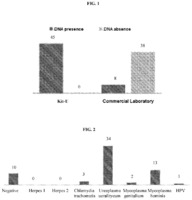
Autores: Sanchez Gutierrez, Raul Segundo
patente
Autores: Arroyo-Bote, S.
artículo original
abierto
Autores: Bautista-Valarezo, Estefania
artículo original
abierto
Autores: Haby, Michelle M.
artículo de revisión
abierto
Autores: Monteiro, Gisele
artículo original
metadatos
Autores: Olate, Sergio
Artículo original
abierto
Autores: Garcia Mendez, Nayely
artículo original
abierto
Autores: Salinas-Onate, Natalia
carta al editor
abierto
Autores: Valencia Jimenez, Nydia Nina
artículo original
abierto
La inducción de volátiles en respuesta al daño mecánico es reducida por la domesticación en murtilla
Autores: Quiroz, Andres
artículo original
abierto
Autores: Manterola, Carlos
carta al editor
abierto
Autores: Rojas, Mariana
artículo original
abierto
Autores: Montiel-Eulefi, Enrique
Artículo original
abierto
Autores: Mitidieri, Vicente
abierto
Autores: Brebi, Priscilla
artículo original
abierto
Autores: Raul Allard, S.
artículo original
abierto
Autores: Cruz-Martins, Natalia
"Lasia spinosa (L.) is used ethnobotanically for the treatment of various diseases, including rheumatoid arthritis, inflammation of the lungs, bleeding cough, hemorrhoids, intestinal diseases, stomach pain, and uterine cancer. This review is aimed at summarizing phytochemistry and pharmacological data with their molecular mechanisms of action. A search was performed in databases such as PubMed, Science Direct, and Google Scholar using the keywords: ""Lasia spinosa,"" then combined with ""ethnopharmacological use,"" ""phytochemistry,"" and ""pharmacological activity."" This updated review included studies with in vitro, ex vivo, and in vivo experiments with compounds of known concentration and highlighted pharmacological mechanisms. The research results showed that L. spinosa contains many important nutritional and phytochemical components such as alkanes, aldehydes, alkaloids, carotenoids, flavonoids, fatty acids, ketones, lignans, phenolics, terpenoids, steroids, and volatile oil with excellent bioactivity. The importance of this review lies in the fact that scientific pharmacological evidence supports the fact that the plant has antioxidant, anti-inflammatory, antimicrobial, cytotoxic, antidiarrheal, antihelminthic, antidiabetic, antihyperlipidemic, and antinociceptive effects, while protecting the gastrointestinal system and reproductive. Regarding future toxicological and safety data, more research is needed, including studies on human subjects. In light of these data, L. spinosa can be considered a medicinal plant with effective bioactives for the adjuvant treatment of various diseases in humans."
abierto
Autores: Olate, Sergio
artículo original
abierto
Artículo original
metadatos